
Eleanor Daniels, MSW
I work with First Responders, Military, teens, and young adults

MY FOCUS
There are seasons when the weight of trauma becomes too heavy to carry alone — when hypervigilance, fear, anxiety, grief, anger, or shame begin to take over daily life. For those living with PTSD, even ordinary moments can feel exhausting or overwhelming. Reaching out for support can feel unfamiliar or uncomfortable, especially when you’ve been carrying things on your own for a long time. But there are moments when something inside begins to recognize that it’s time for support — even if you’re not fully sure what that looks like yet. That is exactly where I meet people.
EDUCATION & CREDENTIALS
Master of Social Work – George Mason University 2025
Bachelor of Science: Kinesiology – Virginia Commonwealth University 2020

My Approach
My goal is to provide a safe, supportive, and nonjudgmental space where clients feel understood as they begin healing and recovery. With over five years of experience in behavioral health, clinical social work, case management, crisis stabilization, and community mental health, I bring both MSW training and hands-on clinical experience to my work. I use evidence-based approaches alongside practical, real-world support to help clients navigate complex challenges and build meaningful change.
At the core of my practice is the belief that healing begins when people no longer feel alone in what they’re carrying. I am passionate about supporting first responders, military members, veterans, and their families facing trauma, stress, anxiety, and PTSD, and I offer a reduced fee for first responders and military clients. I also enjoy working with teens and young adults as they navigate life transitions, identity development, and emotional challenges.
I am currently a Supervisee in Social Work under Angela Gilmour, LCSW.
Learn more about our approach to working with first responders and military
Learn more about our approach to working with teens and young adults
MY SPECIALTIES
-
Anxiety is a natural human response to stress, uncertainty, or perceived danger. In small amounts, it can help us stay alert and focused. However, when anxiety becomes frequent, intense, or overwhelming, it can interfere with daily life, relationships, and overall well-being. It may show up as persistent worry, racing thoughts, restlessness, muscle tension, trouble sleeping, or a sense of dread.
-
Depression is more than just feeling sad or having a bad day. It is a persistent emotional state that can affect how you think, feel, and function in daily life. People experiencing depression may notice ongoing feelings of emptiness or hopelessness, low energy, loss of interest in activities they once enjoyed, changes in sleep or appetite, difficulty concentrating, or increased self-criticism.
-
Post-Traumatic Stress Disorder (PTSD) can develop after experiencing or witnessing a traumatic event. While it’s natural to feel shaken after trauma, PTSD involves ongoing symptoms that may persist long after the danger has passed. These can include intrusive memories or flashbacks, nightmares, heightened anxiety, emotional numbness, irritability, or feeling constantly on edge.
-
Suicidal ideation and self-harm often arise from deep emotional pain, overwhelm, or a sense of hopelessness. Suicidal thoughts can range from passive wishes not to wake up to more active thoughts of ending one’s life. Self-harm may be used as a way to cope with intense feelings, numb emotional distress, or regain a sense of control.
-
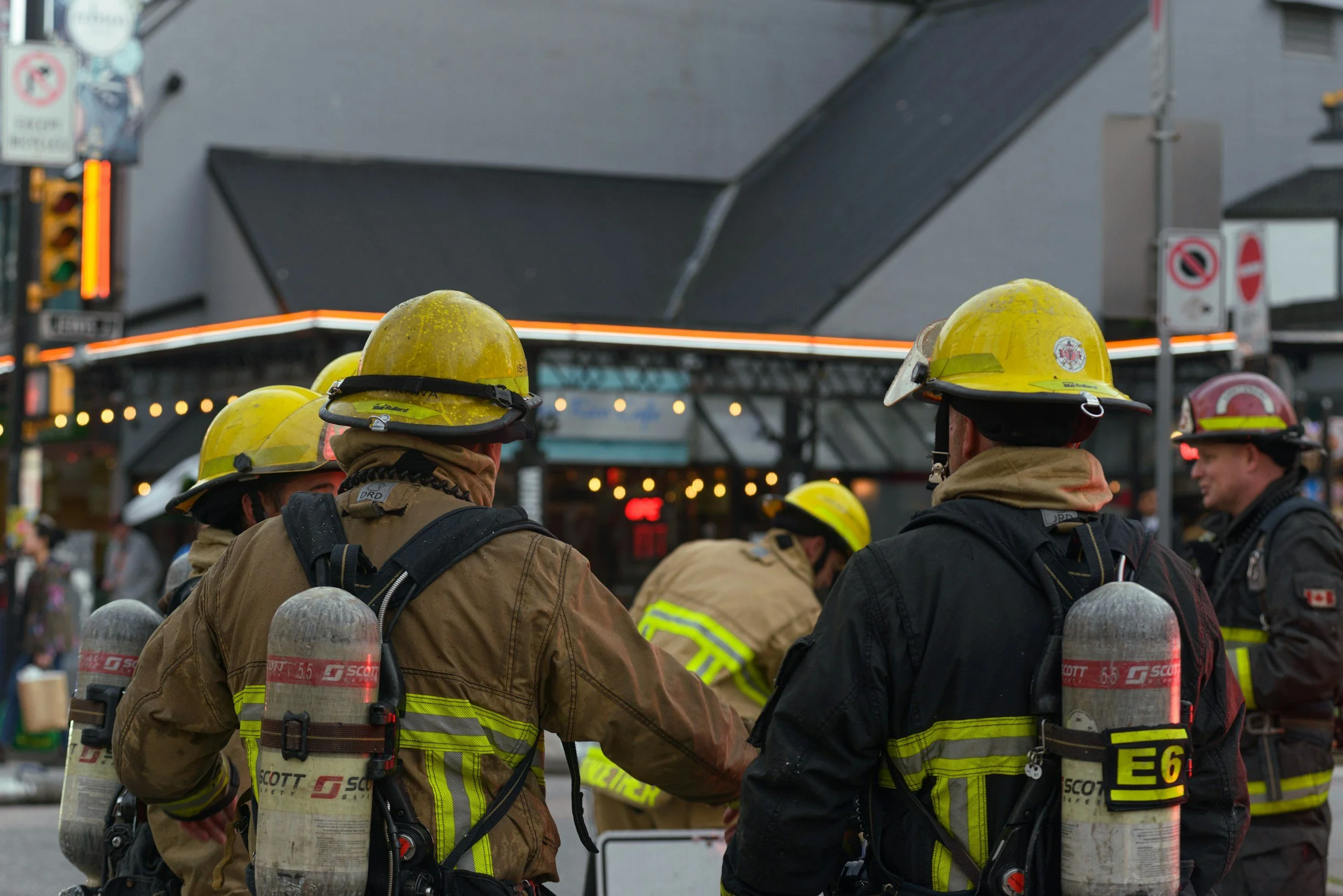
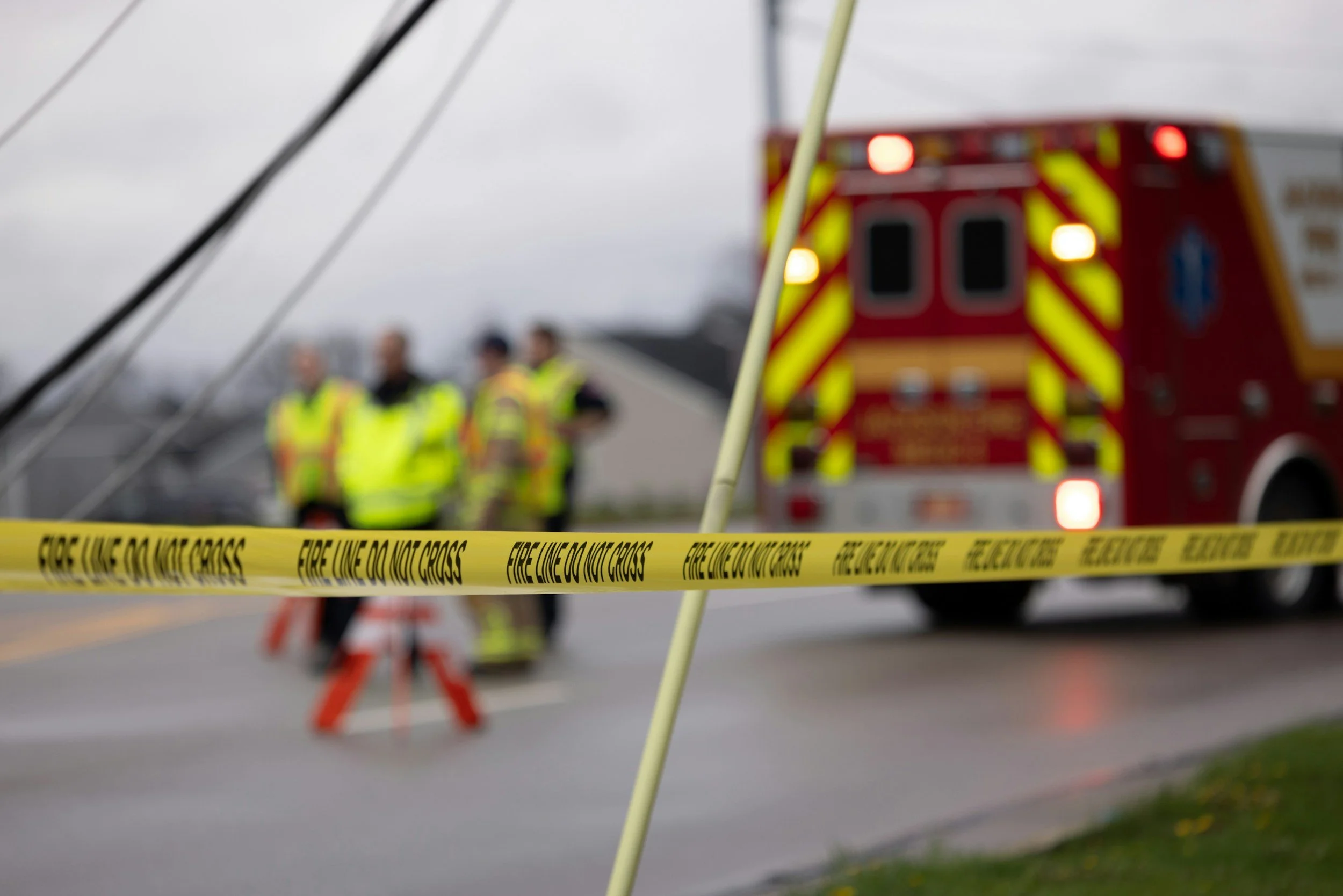
First responders and military service members face unique pressures that most people never experience. Repeated exposure to high-stress, high-risk situations can impact emotional well-being, relationships, sleep, and overall functioning. You may notice irritability, hypervigilance, emotional numbing, difficulty transitioning “off duty,” or feeling disconnected from loved ones. I offer a reduced fee for First Responders and Military
-
Family conflict can arise from differences in communication styles, unmet needs, life transitions, or long-standing patterns that no longer serve the relationship. When tension becomes ongoing, it can lead to resentment, misunderstandings, emotional distance, or frequent arguments. Even in loving families, unresolved conflict can create stress and impact each member’s well-being.
Read more about how I work with First Responders and Military


FAQs
-
I offer discounts for military/first responders and take several insurances. Otherwise an initial session is $160 and each following session is $140.
-
I am in-network with most CareFirst, Blue Cross Blue Shield, Anthem, and Cigna plans.
-
I offer a discounted rate of $125 for the initial session and $115 for each of the following sessions.