
We’re so glad you’re here
it’s so nice to virtually meet you!

OUR FOCUS
Trauma-informed, holistic, faith-based support.
Gilmour Counseling Group is dedicated to serving our clients with emotional, physical, spiritual, and group interventions. We provide a place for those who have been wounded in relationships and by the difficulties of life to receive evidence-based & trauma-informed care from a holistic perspective, including Christian faith for those who would like it incorporated into their sessions.
Our Values
-
For those wanting faith-based support, we believe healing happens when we find God's presence and love by experiencing it through His word, Holy Spirit, and other people. We want you see yourself the way God sees you so you can find healing, your gifts, and your purpose.
-
We believe in nurturing your heart, mind, faith, and body so you can truly live out the plan God has for your life. We value a down-to-earth, holistic and trauma-informed approach to address all your concerns.
-
We come to this work through our own wounds and sins. We see you; we are just like you... just a little further down the road. We have found true healing that sets us free. We love helping others find freedom as well.
-
We know “Christian” doesn’t always evoke a feeling of love and acceptance. We strive to share the truth we desperately need, wrapped in the grace and encouragement we can't change without.
Our Team
-
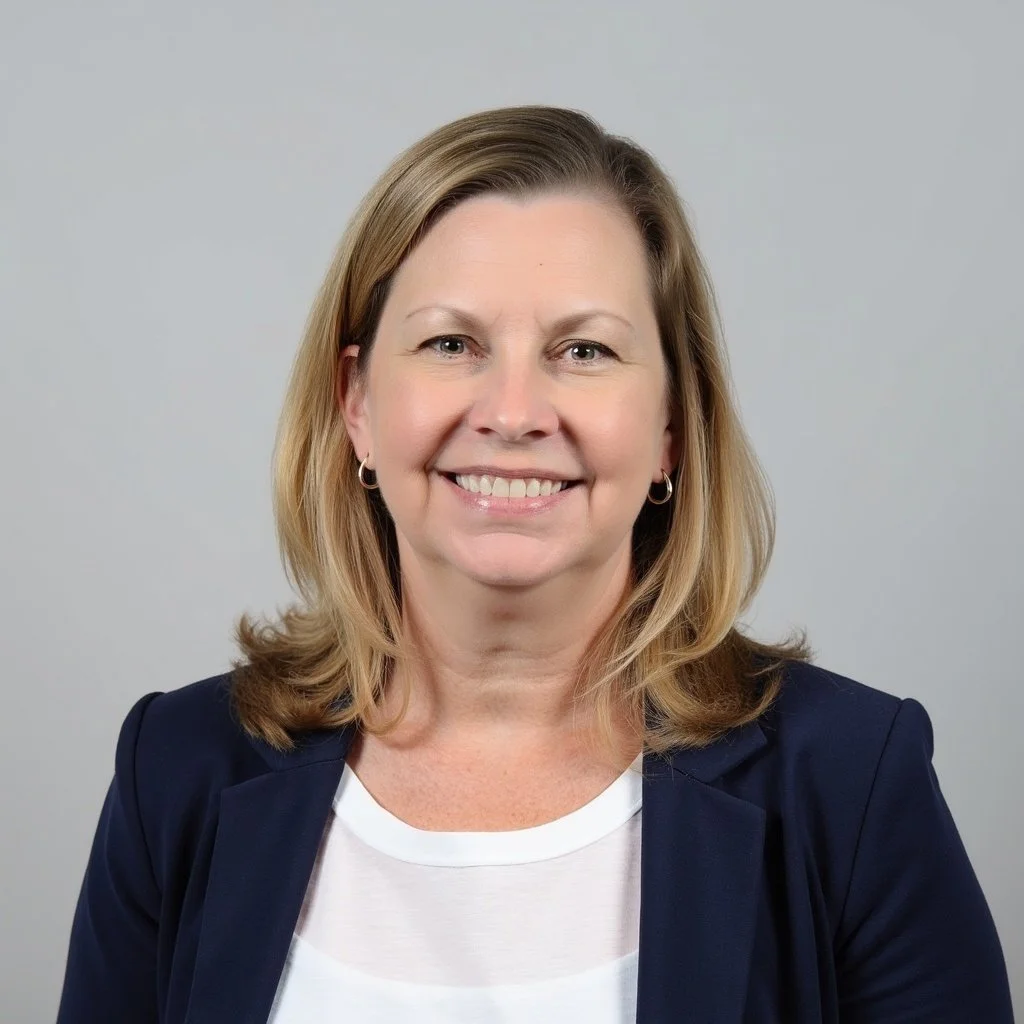
Angela Gilmour, LCSW
Founder, Licensed Clinical Social Worker, and Clinical Supervisor
-

Eleanor Daniels, MSW
Supervisee in Social Work
-

Hailey Cermack, MSW
Supervisee in Social Work
-

Gail Gaffney-Smith, RN, BSN-BC, CGP
Psychiatric Nurse, Coach, and Group Facilitator

Are you looking for a great place to learn and grow as a therapist?
our SPECIALTIES
-
Anxiety is one of the most common struggles, but it can look different for everyone. Some of the common signs are restlessness or feeling keyed up or on edge, being easily fatigued, difficulty concentrating or your mind going blank, fixation on problems large and small, irritability, muscle tension, and sleep disturbance (difficulty falling or staying asleep, or restless, unsatisfying sleep).
-
Transitions are hard. Whether you are a new graduate or retiree, a new parent or empty nester, a new kid in the neighborhood or the last one to move, change involves loss. Transitions can fill us with fear of the future and sadness of losing parts of our past. Having help navigating all these feelings can ease these transitions and set us up for success in our new world.
-
Depression is also a daily struggle many of us face. Depression signs include feeling discouraged, sad, hopeless, unmotivated, or disinterested in life in general. When these feelings last for more than two weeks and when the feelings interfere with daily activities such as taking care of family, spending time with friends, or going to work or school, it can be depression instead of just "the blues".
-
Most of us know about “Big T” trauma such as intimate partner violence, childhood abuse, and rape. However, we can also experience “Little T” trauma, which can be much more subtle but impact the brain in a similar way. These may include divorce, bullying, and serious illness. Complex trauma is ongoing, sustained trauma. Examples include ongoing child abuse/neglect, sustained and repeated racism, multiple losses, and chronic illnesses.
-
There are so many factors that can impact our relationships including attachment wounds, trauma, mistaking differences for deficits, communication struggles, and difficulty regulating our emotions. These factors contribute to unhealthy patterns and dynamics such as over-functioning/ under-functioning partnerships, anxious/avoidant partnerships, high control or overly permissive parenting, Narcissistic abuse, and shame/blame family culture.
-
Loss is an unavoidable result of living. We cannot love without loss eventually touching us. Few things can turn our worlds upside down like loss. It can bring so many mixed feelings that are overwhelming. We can feel stuck and alone in the pain and unsure how to find our way out. We are not meant to grieve alone, but few people are well equipped to walk with us through that pain.
FAQs
-
The term Christian therapy can mean very different things to different people. For some, it brings comfort and familiarity. For others, it raises understandable concerns about judgment, pressure, or past harm.
Because of this, we believe it’s important to clearly explain what we mean — and how we practice — Christian therapy in a way that prioritizes psychological safety, clinical integrity, and respect for each client’s lived experience.
-
Because the term Christian therapy is used in many different ways, it can carry assumptions that do not reflect how we practice.
To support transparency, client safety, and ethical clarity, we believe it is just as important to name what Christian therapy is not, alongside what it is. Christian Therapy Is Not Political Advocacy. Our therapy spaces are not platforms for political messaging, persuasion, or alignment.
-
Trauma-Informed Care Guides Our Work
Trauma-informed therapy recognizes how power, control, and coercion impact the nervous system and sense of self. Our clinicians are trained to:
Recognize trauma responses
Avoid re-creating harmful power dynamics
Practice consent-based engagement
Move at a pace that supports regulation and safety
-
Holistic means we look for causes and solutions in multiple facets of our lives. Don’t worry, we are not “woo woo”. Our goal is to be wise and consider all the possible causes of our struggles as well as the solutions. This might mean collaborating with medical providers, spiritual supports, and other supports to provide the best results.
-
Most of our providers accept CareFirst/BCBS/Anthem. Some of our providers accept Cigna. Please contact your insurance company to be sure of your outpatient mental health coverage.
-
Session costs vary based on the clinicians experience. Most sessions are between $130-$185 per visit. If you are paying out of pocket, you are entitled to a Good Faith Estimate.