
Military, Veterans, & First Responder Counseling
In person in Burke, VA and telehealth statewide
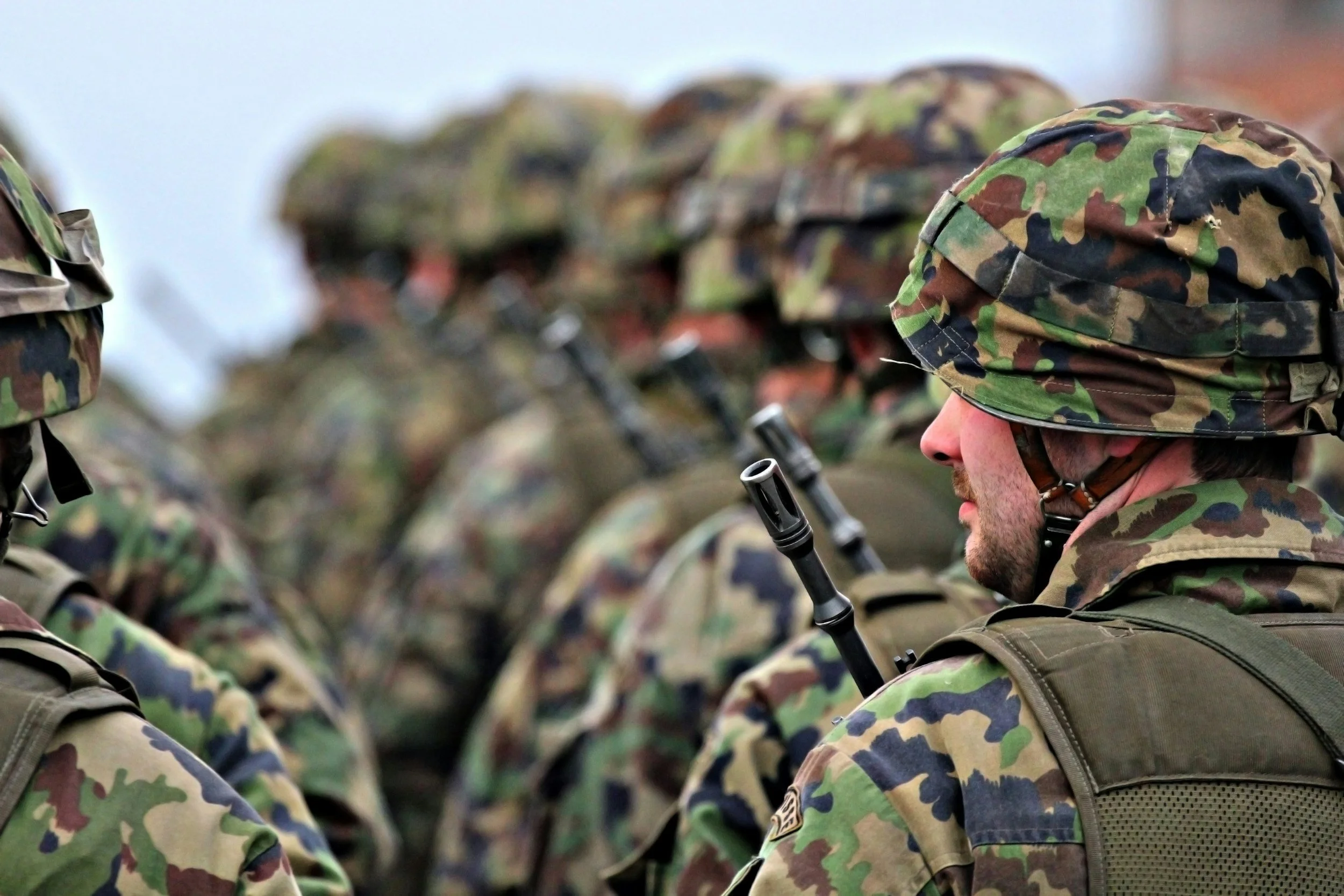
What You May Be Experiencing
Military members, veterans, first responders, and their families often carry stress that others may not fully understand.
You may be experiencing:
Chronic stress or hypervigilance
Anxiety, irritability, or emotional shutdown
Trauma or difficult memories
Burnout and emotional exhaustion
Relationship strain
Difficulty transitioning between work and home life
Sleep issues or nervous system overload
Isolation or feeling misunderstood
Pressure to stay strong while silently struggling
For many, it becomes difficult to slow down, feel emotionally present, or ask for support.
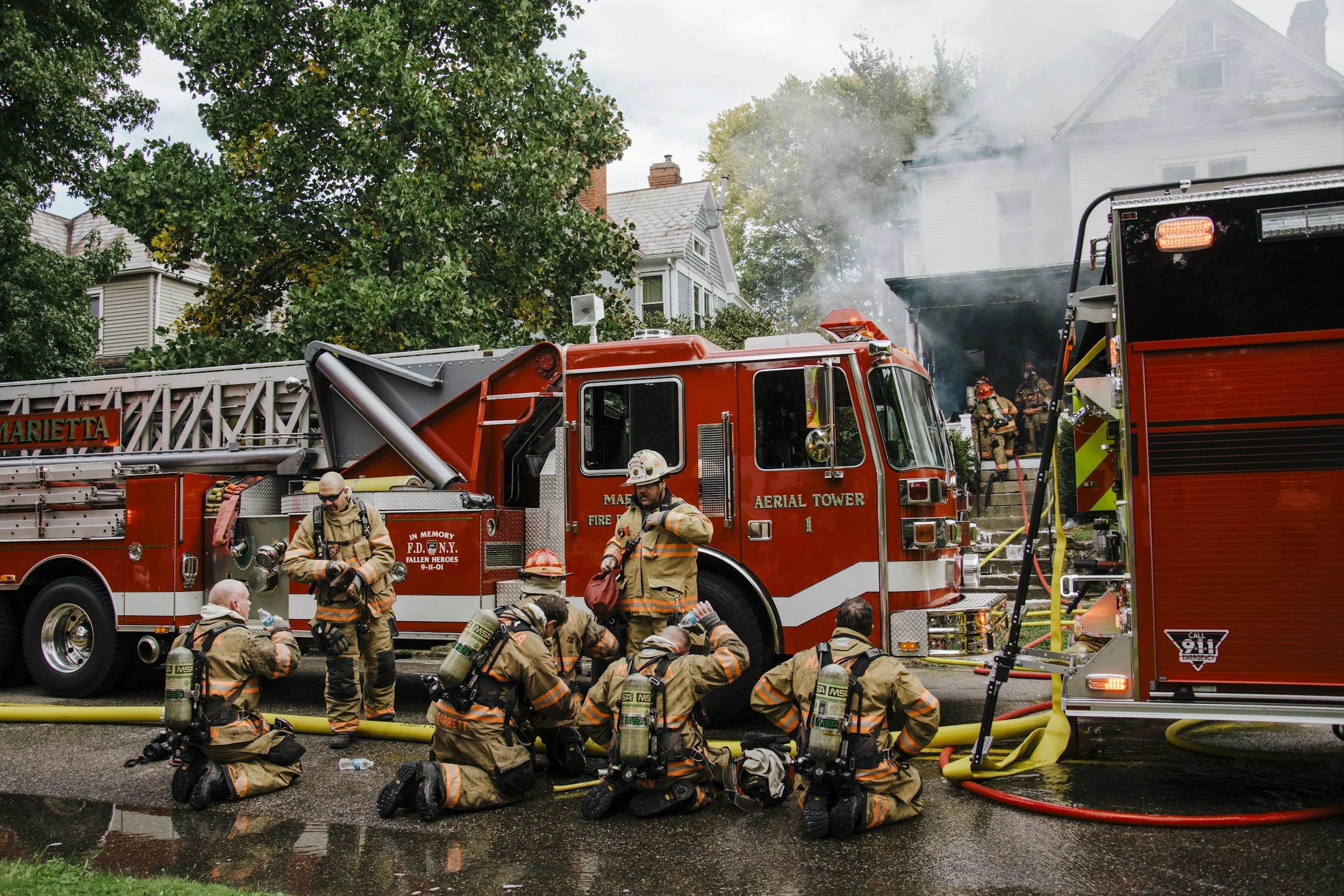
How Therapy Helps
Therapy provides a confidential space to process experiences, regulate stress, and reconnect emotionally without judgment.
Counseling may help you:
Reduce anxiety and overwhelm
Improve emotional regulation
Process traumatic experiences safely
Strengthen relationships and communication
Reduce burnout and nervous system overload
Increase resilience and self-awareness
Feel more connected and grounded

Our Approach
We use a trauma-informed, relational, and nervous-system-focused approach that respects both resilience and the impact of chronic stress exposure.
Therapy may include:
Somatic and nervous system regulation
Attachment-focused work
IFS-informed approaches
Stress and burnout recovery
Identity and transition work
We understand that many military members and first responders have spent years functioning in survival mode.
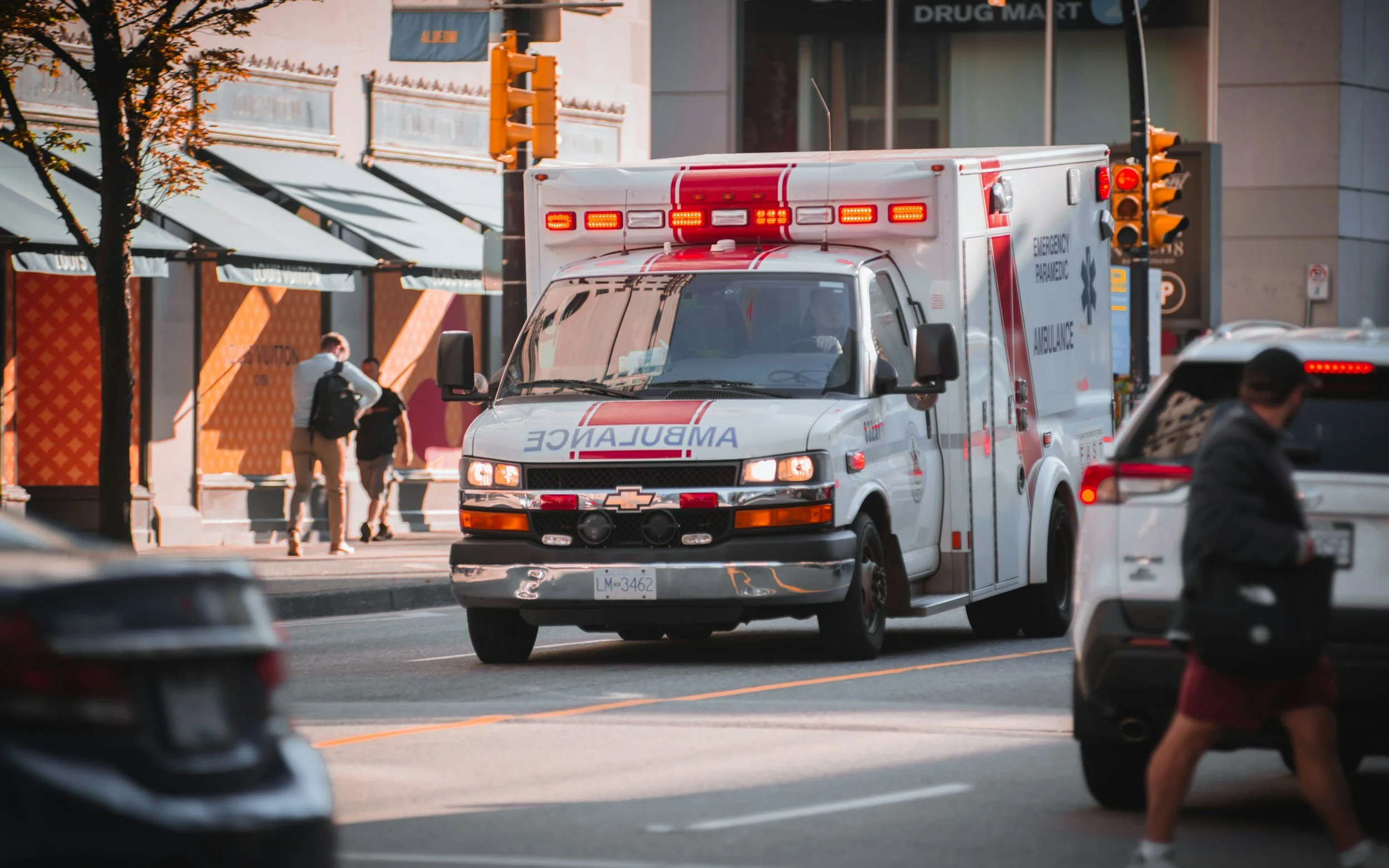
Who It’s For
We work with:
Active-duty military
Veterans
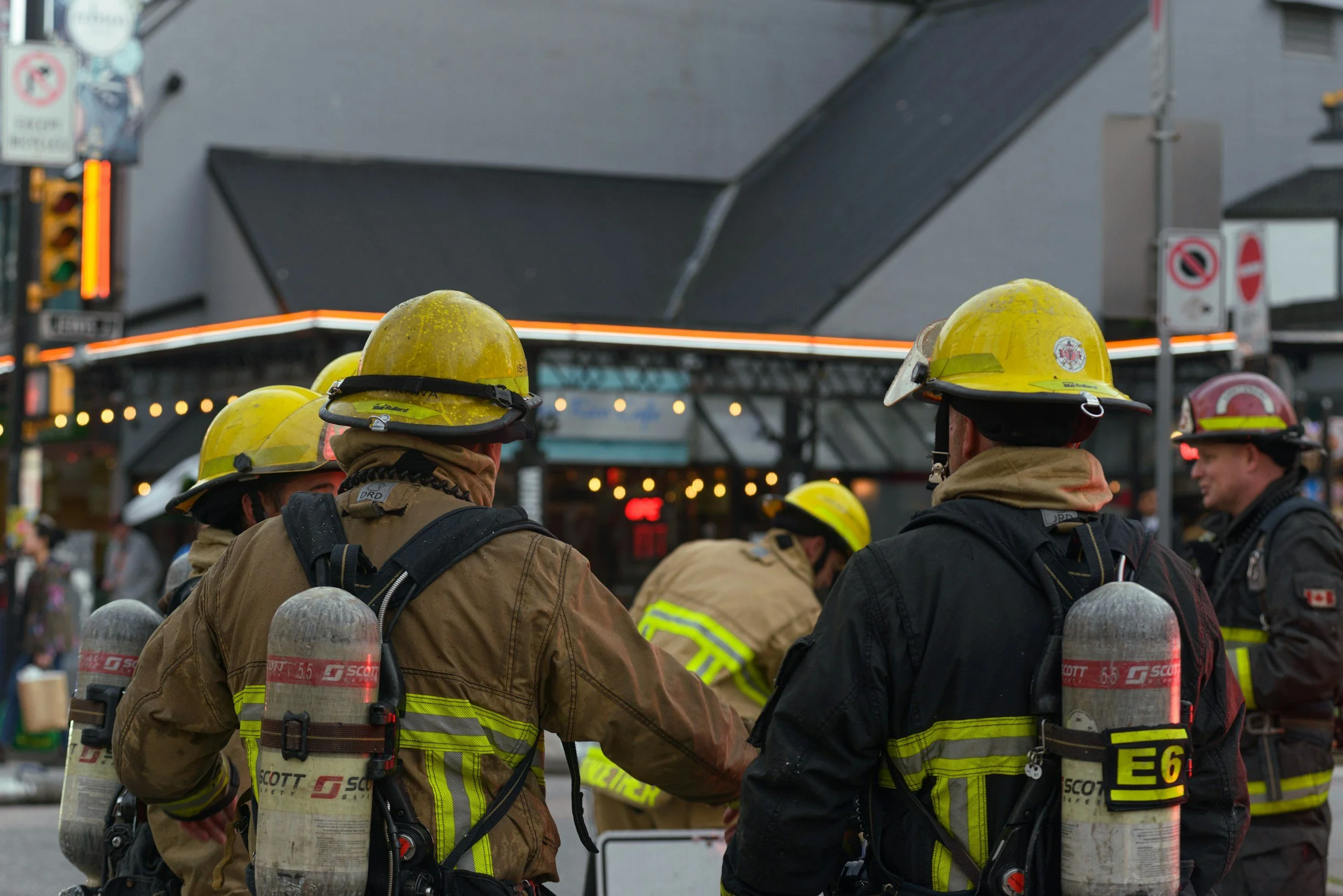
First responders
Law enforcement
Firefighters
Healthcare professionals
Military spouses and families
Individuals experiencing cumulative stress or trauma exposure
Practical Next Steps
Reach out through our consultation form.
Learn more about our therapist who truly gets where you are.
Initial sessions focus on understanding your stressors, symptoms, and goals.
Therapy moves at a pace that feels safe and manageable.
Read more about how we work with First Responders and Military

FAQs
-
No. Therapy focuses first on safety, trust, and stabilization before processing difficult experiences. Many military members and first responders are more comfortable with practical, structured approaches than traditional “just talk” therapy. Sessions can include nervous system regulation, somatic interventions, grounding work, parts work, psychoeducation, and practical tools alongside conversation.
-
That’s a very common survival strategy in military and first responder cultures. Therapy is not about removing your strength or resilience. It’s about helping your nervous system learn when it’s safe to come out of survival mode so you can feel more present, connected, and less exhausted.
-
Yes. Often these responses are connected to chronic stress, cumulative trauma exposure, burnout, nervous system overload, or difficulty transitioning out of operational mode. Therapy can help identify what’s happening beneath these reactions and develop healthier ways to regulate stress and emotions.
-
Yes. Chronic stress and trauma exposure often affect sleep, relaxation, and the ability to feel settled. Therapy may include nervous system regulation strategies designed to help reduce hyperarousal, improve recovery, and increase a sense of safety and calm.