
Trauma-Informed Counseling
In person in Burke, VA and telehealth statewide
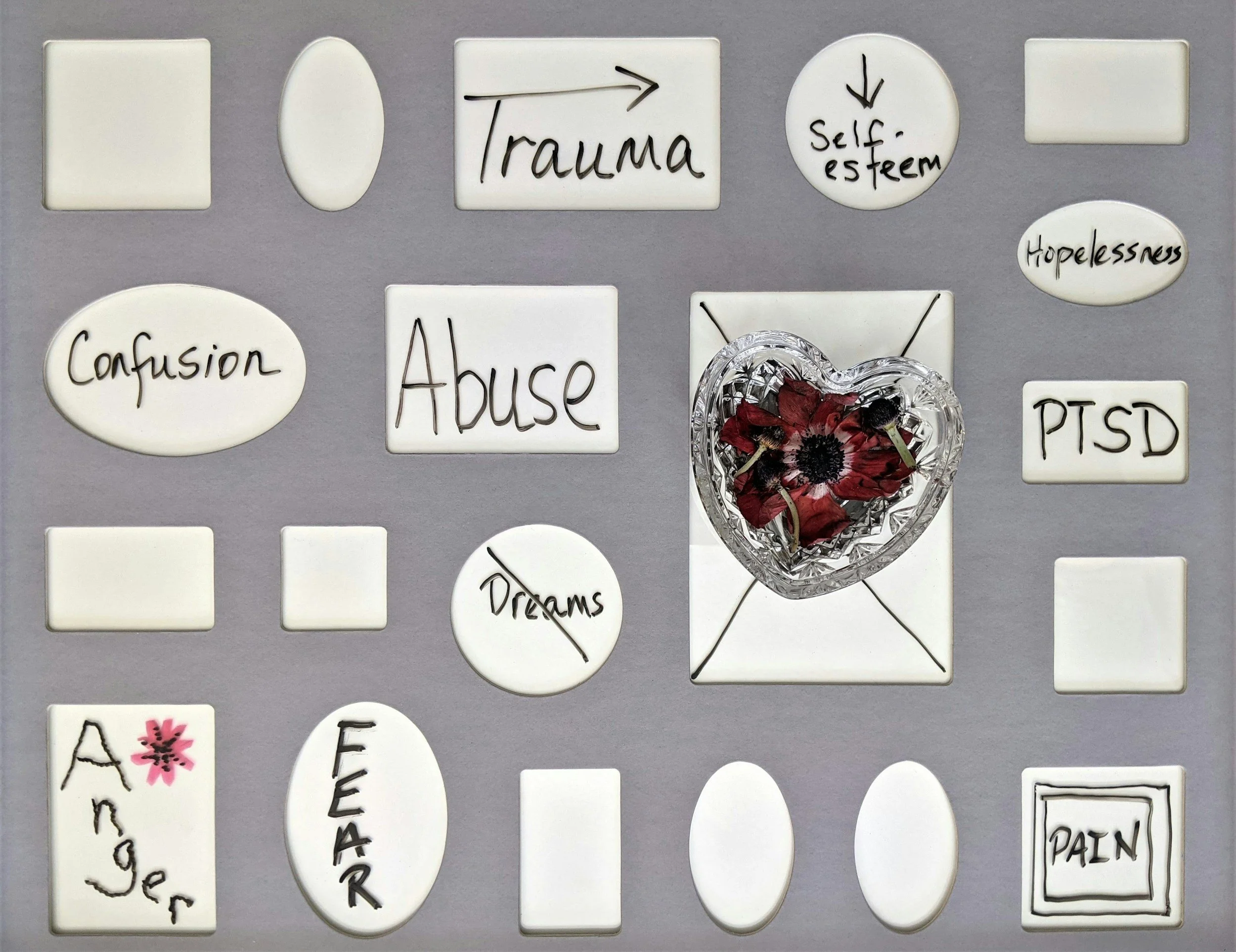
What You May Be Experiencing
Trauma can impact far more than memories. It can shape the way you relate to others, respond to stress, view yourself, and move through daily life. Some people recognize a specific traumatic event, while others feel the cumulative effects of years of chronic stress, emotional neglect, unstable relationships, high-pressure environments, or repeated experiences of feeling unsafe or unseen.
You may find yourself constantly anxious, emotionally numb, hypervigilant, irritable, exhausted, disconnected, or overwhelmed by reactions that seem difficult to control. Relationships may feel harder than they used to. Rest may not feel restorative. Even when life appears “fine” externally, your nervous system may still feel stuck in survival mode.
Many high-functioning individuals quietly carry trauma responses without realizing how deeply stress and past experiences are affecting them.

How Trauma-Informed Therapy Helps
Trauma therapy helps clients better understand how past experiences may still be shaping present emotions, behaviors, relationships, and nervous system responses. Healing is not about “just getting over it.” It involves helping the mind and body experience greater safety, regulation, flexibility, and connection over time.
Clients often begin to experience:
Reduced anxiety and hypervigilance
Improved emotional regulation
Greater self-understanding
Healthier relationships and boundaries
Better stress management and sleep
Increased ability to feel present and connected
Less shame, numbness, or emotional overwhelm

Our Approach
Our trauma work is grounded in trauma-informed care, attachment theory, interpersonal neurobiology (IPNB), and nervous system regulation. We understand that trauma is not only cognitive — it also impacts the body, emotions, relationships, and sense of safety.
Therapy is collaborative, compassionate, and paced carefully to avoid overwhelming clients. Depending on your needs, treatment may include attachment-focused work, emotional processing, relational healing, nervous system regulation strategies, practical coping tools, and deeper exploration of longstanding patterns formed through stress and past experiences.
We work with both single-incident trauma and the cumulative impact of chronic stress, relational wounds, and high-pressure environments.

Who It’s For
This counseling may be helpful for:
Adults and teens experiencing anxiety, hypervigilance, or emotional overwhelm
Individuals recovering from difficult childhood experiences or attachment wounds
Military members, veterans, and first responders
People navigating chronic stress or burnout
Individuals feeling emotionally disconnected or “stuck”
Clients recovering from relational trauma or emotionally unhealthy environments

Faith-Integrated Counseling
For clients who desire it, therapy can thoughtfully integrate Christian faith into the healing process. We also recognize that some individuals carry spiritual wounds alongside trauma, and we approach those experiences with compassion, sensitivity, and respect. Read more about how we integrate faith.
Practical Next Steps
Healing from trauma does not happen overnight, but meaningful change is possible. Therapy can help you better understand your reactions, reconnect with yourself and others, and begin moving out of survival mode.
FAQs
-
Trauma-informed counseling recognizes how overwhelming experiences and chronic stress can impact the nervous system, emotions, relationships, and sense of safety. Rather than asking “What’s wrong with you?” trauma-informed therapy explores “What happened to you?” and how those experiences may still be affecting you today.
-
No. Trauma can result from a single overwhelming event, but it can also develop through chronic stress, emotionally unhealthy relationships, childhood emotional neglect, high-pressure environments, repeated exposure to crisis, or years of feeling unsafe, unsupported, or unseen.
-
No. Trauma-informed therapy moves at a pace that feels safe and manageable. Building emotional safety, trust, and nervous system regulation is often an important part of the process before exploring difficult experiences more deeply.
-
Interpersonal neurobiology (IPNB) is an approach that explores how relationships, experiences, emotions, and the nervous system interact and shape mental and emotional health. IPNB-informed therapy helps clients understand how chronic stress and past experiences impact the brain, body, and relationships.
-
Attachment-focused therapy explores how early relational experiences may shape current patterns in relationships, emotional responses, trust, boundaries, and coping. Understanding attachment patterns can help clients develop healthier, more secure ways of relating to themselves and others.